TrackIt · Household bill management
TrackIt, one monthly queue for every household bill, cleared with a single authorisation
UX RESEARCH + PRODUCT DESIGN
COGNITIVE ERGONOMICS MODULE
2025
60+ SCREENS
View full case study on Behance





Go back
01
OVERVIEW
02
CONTEXT
03
PROBLEM
04
KEY DECISION
05
FINAL DESIGN
Clearing the month
Home and insights
Evaluation
06
OUTCOME
01 / 06
OVERVIEW
About TrackIt
TrackIt lets people manage every recurring household bill from one place. Mobile, utility, rent and subscription bills sit in one monthly queue, cleared in order straight from the bank account, with a receipt for every payment.
Overview
Rather than another wallet, TrackIt sits on top of the bank rails people already trust, and treats this month’s bills as a single object you can review, authorise and close.
My role
Solo UX researcher and product designer for the Cognitive Ergonomics module. I ran the desk research and interviews, built the architecture, and designed every screen and the prototype.
Scope
Desk research
User interviews
Affinity mapping
IA and user flow
UI system
60+ screens
Prototype
Outcomes
60+
High-fidelity screens in light and dark
3
Personas built from household interviews
5
Product pillars from the affinity wall
02 / 06
CONTEXT
Paying bills digitally is solved.
Keeping track of them is not.
Indian households already pay on UPI and BBPS. What they lack is one place that shows the whole month, so people still pay bill by bill, app by app, from memory.
715M
bill payments handled by BBPS in Q3 FY25
The Economic Times
175M
UPI autopay mandates for recurring bills, up from 58M
Amazon India, 2025
85%
of digital transactions, household bills included, run on UPI
PwC India, 2024
From desk research: adoption is solved. Orchestration is not.
THE GAP
Five apps Indian households already have installed each solve one slice: subscriptions, UPI, recharges, banking or shared budgets. Not one of them closes the month.
03 / 06
PROBLEM
The problem is the calendar,
not the payment.
I interviewed working professionals, homemakers and students about how they pay recurring bills. Nobody struggled to pay a single bill. They struggled to remember which of eleven was due this week.
IN THEIR WORDS
MEERA, HOMEMAKER, 45
“I pay the electricity bill twice some months because I forget whether I already did it.”
ROHAN, DATA ANALYST, 29
“I want one screen that says: this is the month, this is the total, press once.”
AROHI, PRODUCT MANAGER, 35
“I will automate everything the day I can set a ceiling on it.”

CORE PROBLEM STATEMENT
“How might we let a household see every bill due this month, pay them all with one authorisation, and keep proof of each payment?”
Four problems to solve
Bank app
UPI app
SMS
SCATTERED BILLS
Nothing shows the full month
Recurring payments are tracked across several apps.
Cancel
Re-create
CHANGING A PLAN
Editing is buried
People re-create bills instead of editing them.
Balance
Recharge
Bill
THREE MODELS
One app, three mental models
Balance, recharges and bill payments get confused.
Screenshot
SMS
NO PROOF
Payments without receipts
A payment you cannot retrieve is not trusted.
04 / 06
KEY DECISION
Bank, not wallet: the biggest
architectural choice
A wallet would have made one-click payment easy to build, and would have failed in exactly the way people told me it fails. Four pieces of evidence settled it.
EVIDENCE
Trust
Indian users hesitate to keep large sums in digital wallets.
ET BFSI, 2024
EVIDENCE
Speed
Direct bank-to-bank UPI payments are faster, safer and more widely used.
PwC, 2024
EVIDENCE
Merchants
Many small merchants avoid wallets because of fees and set-up.
Lyra, 2025
EVIDENCE
Compatibility
Wallets often break across merchants and regions.
Lisnr, 2025
TrackIt authenticates once per billing cycle, then clears bills one after another straight from the linked bank account. No float, no top-up, no idle balance.
05 / 06
FINAL DESIGN
The final design,
piece by piece
Three rules from the research ran through every screen:
01
One total, one due date,
one primary action.
02
Authorise once a cycle,
not once a bill.
03
Proof for every
payment.
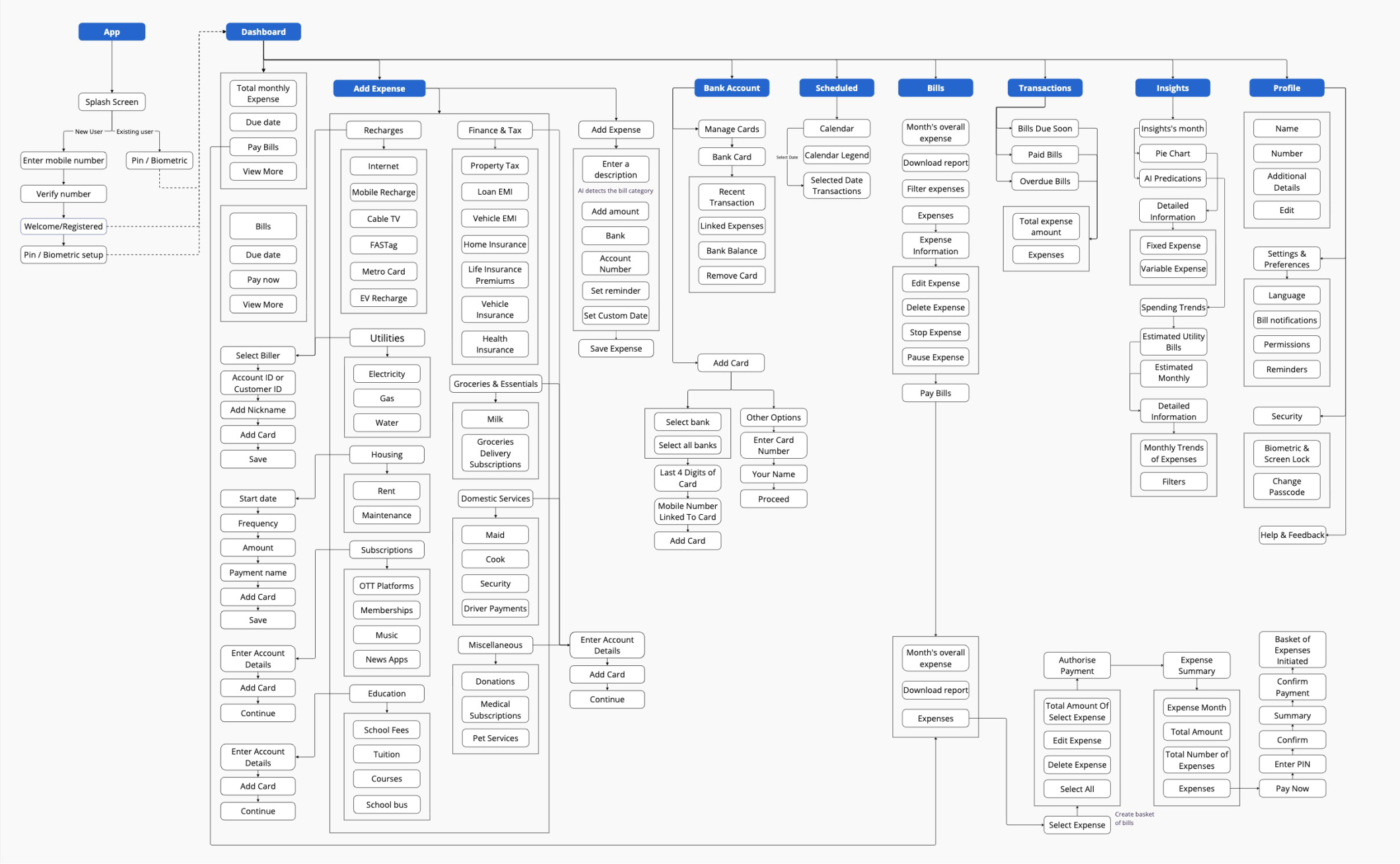
INFORMATION ARCHITECTURE
Five pillars became five destinations
Each affinity pillar became one destination in the app. Nothing lives in two places, and nothing sits more than two taps from home.
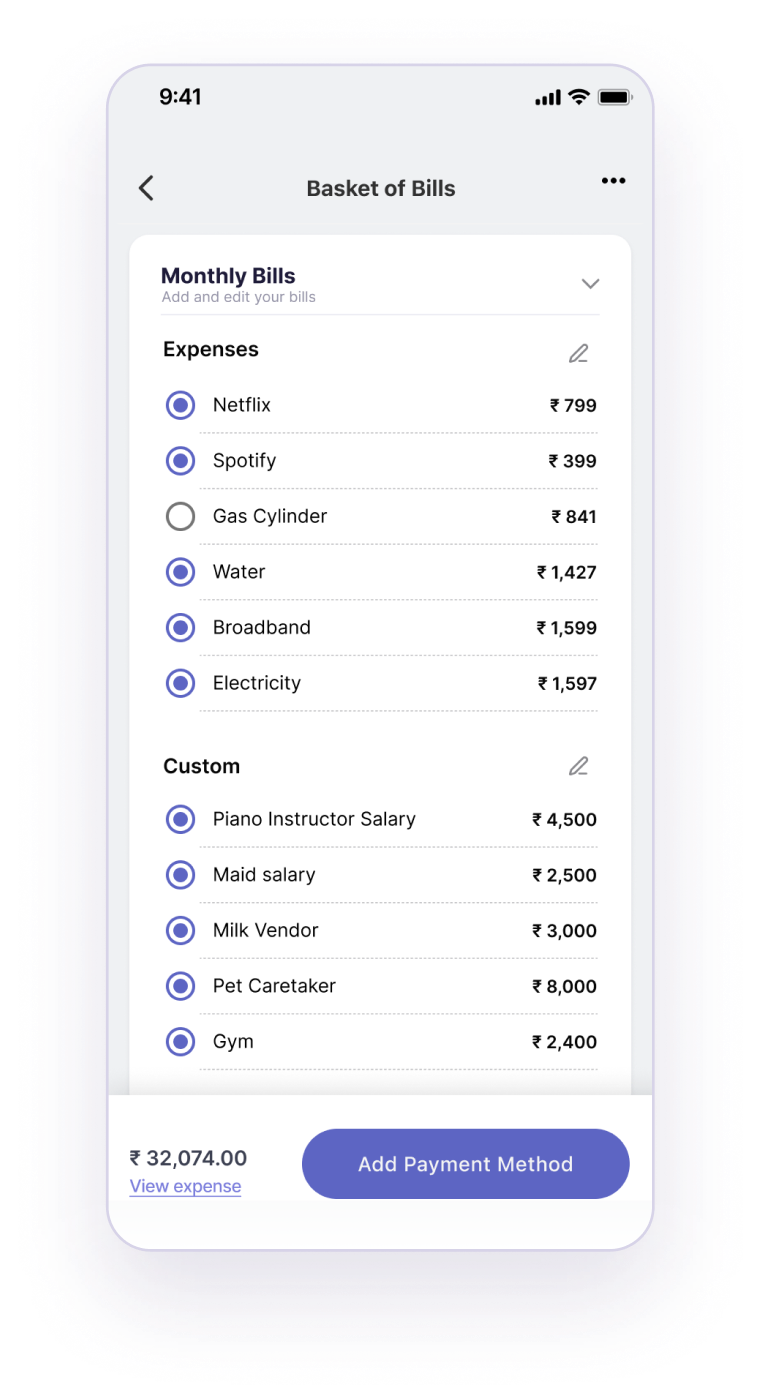
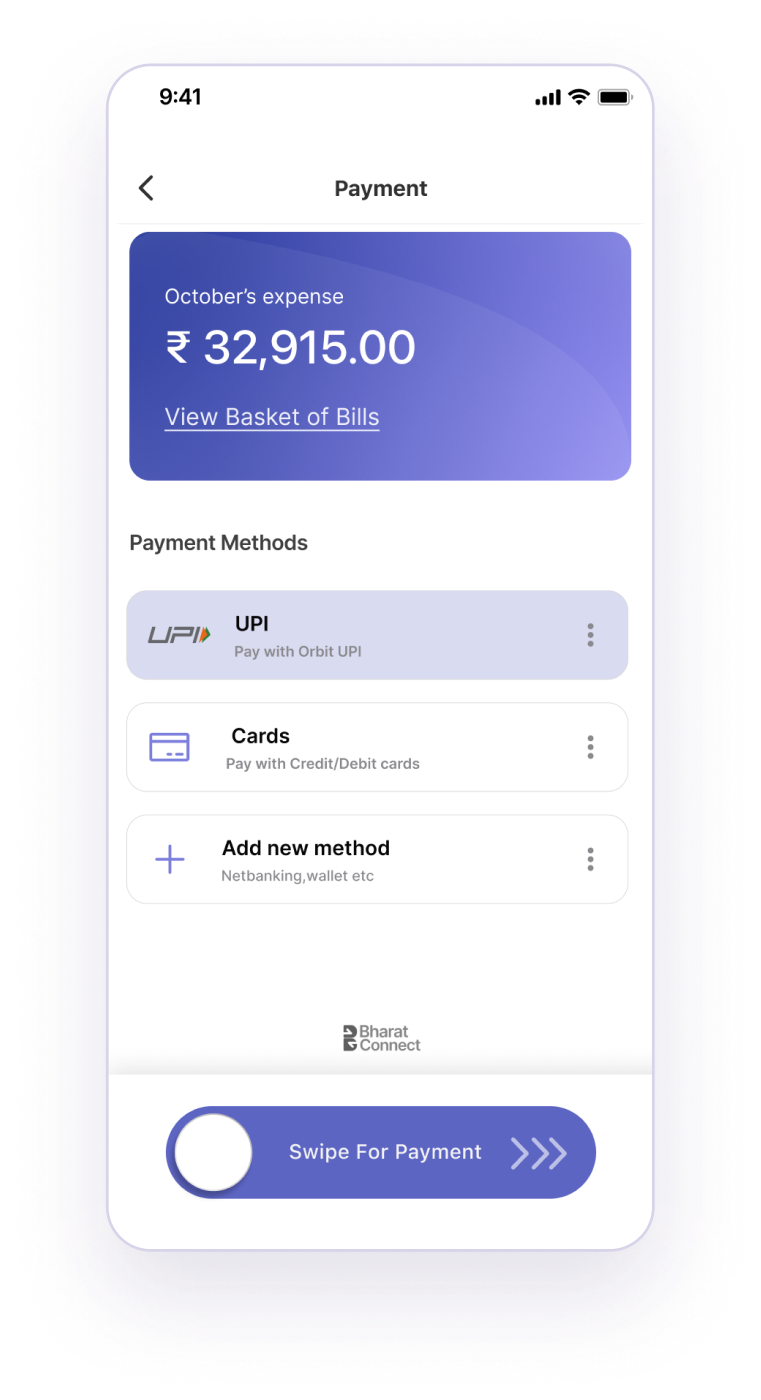
01
Basket
Pick the bills for this cycle.
02
Review
One total, editable to the last step.
03
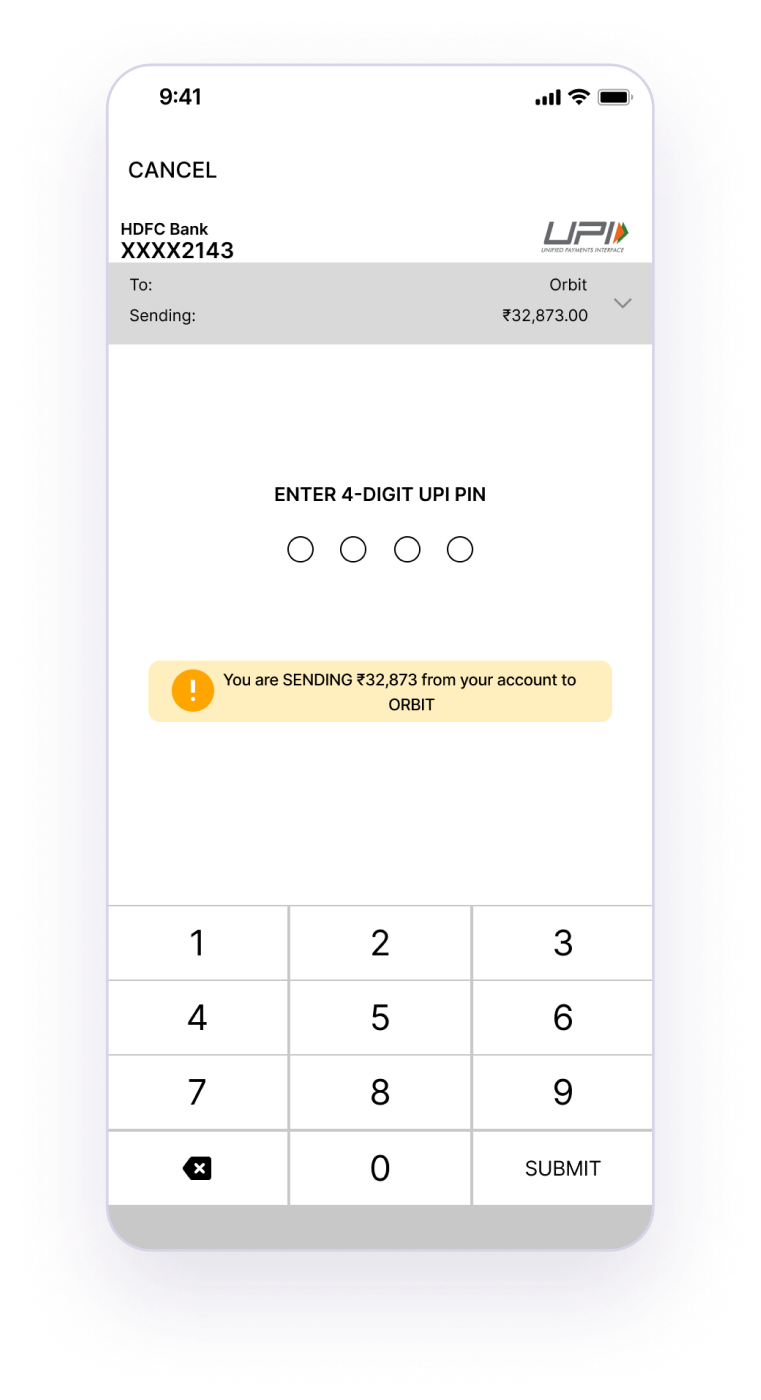
Authorise
One PIN for the whole sequence.
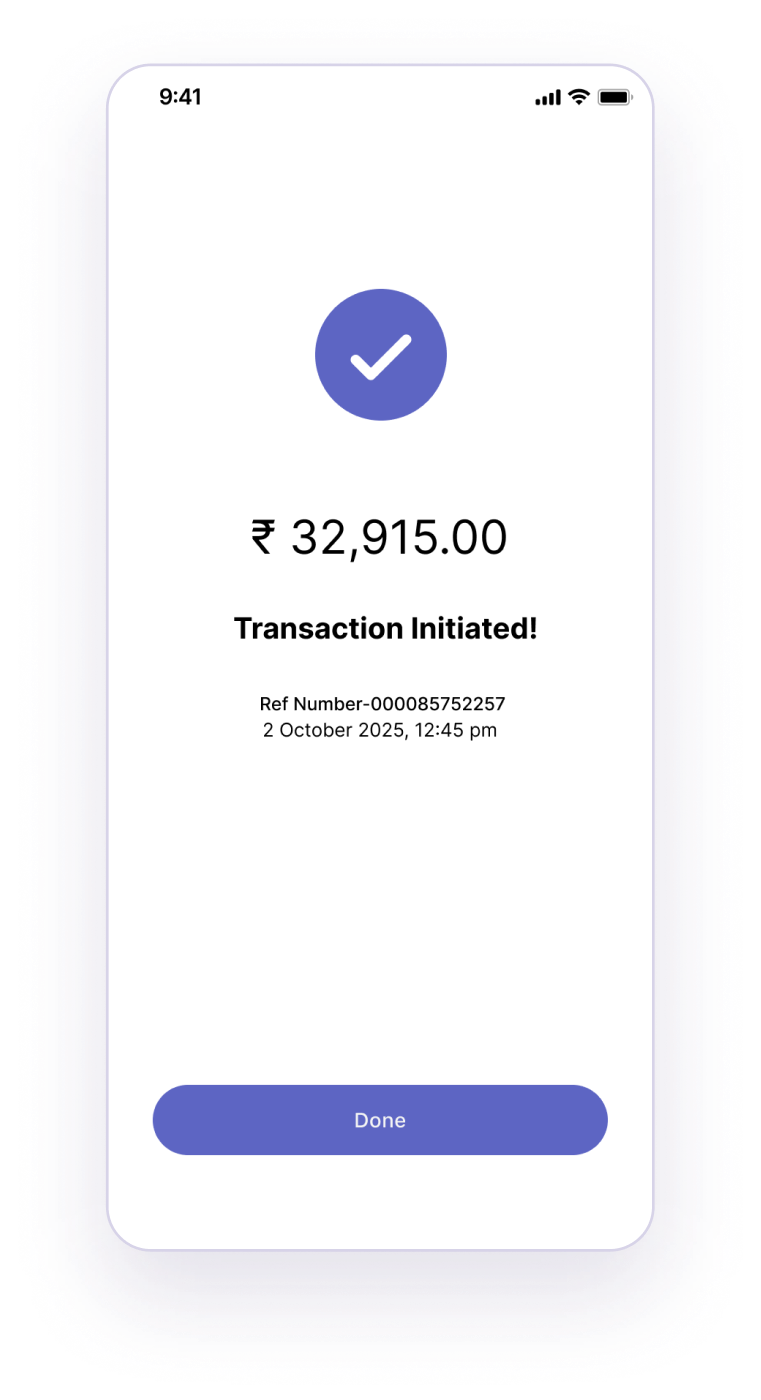
04
Clear
Bills settle in due-date order.
05
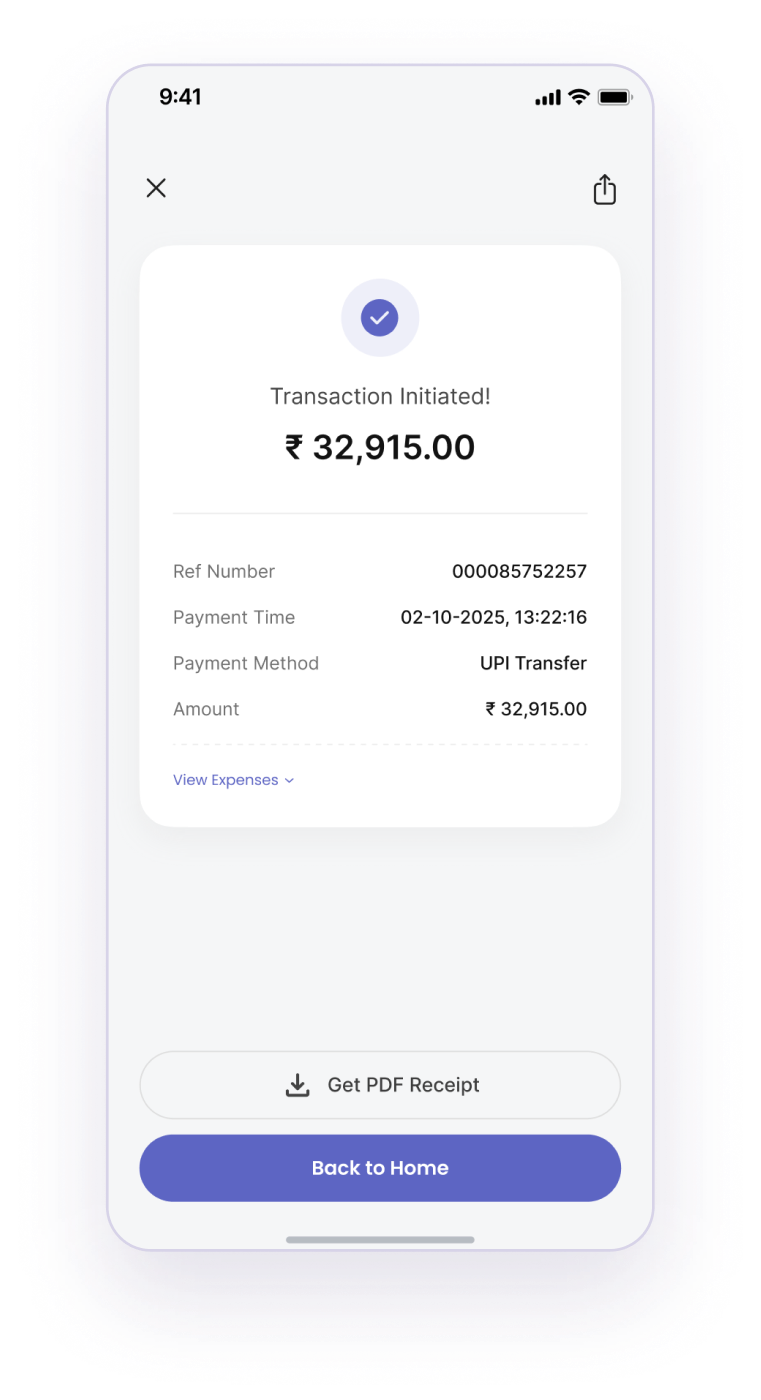
Receipt
A summary to save or share.
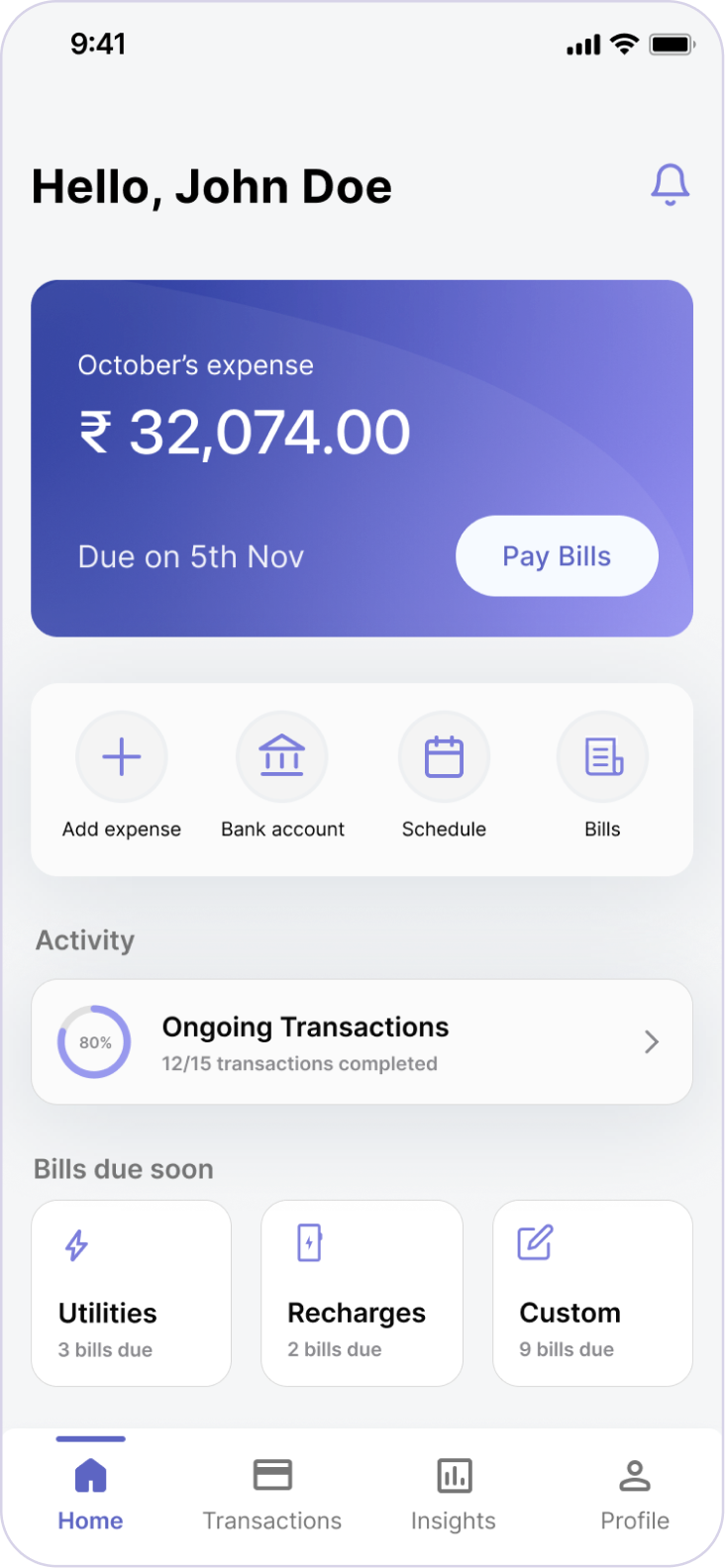
Home · The month first
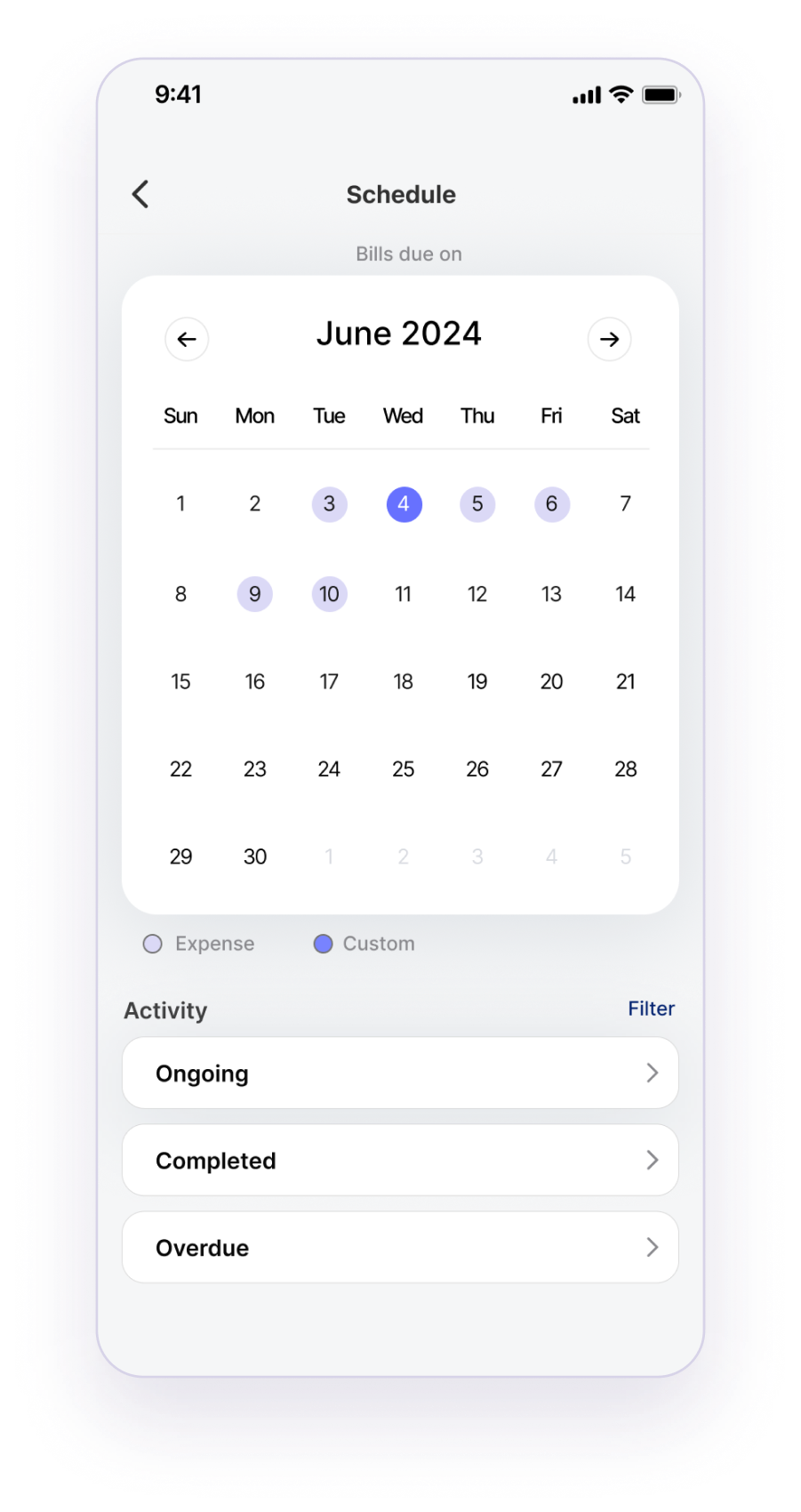
Schedule · Bills as a calendar
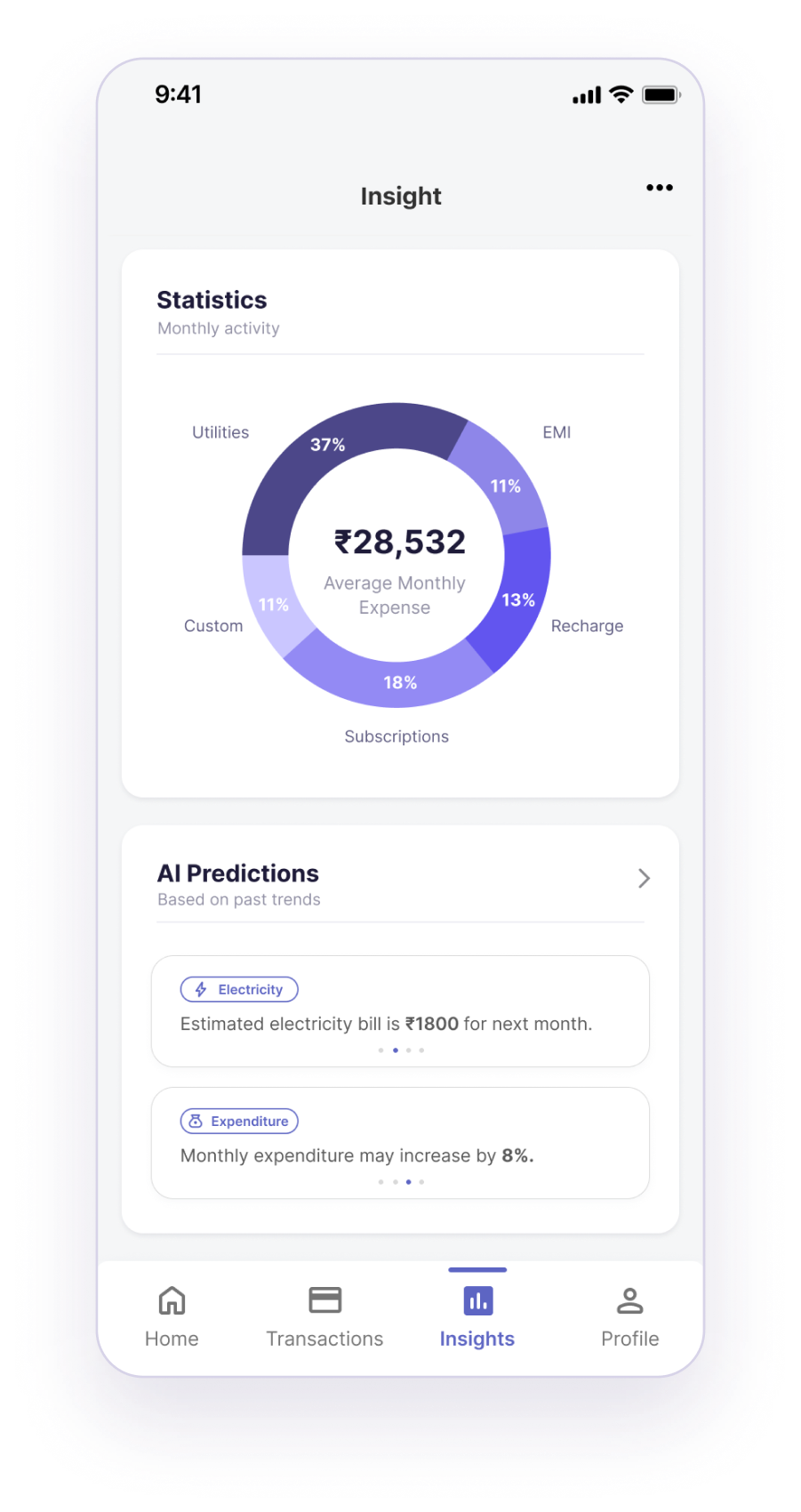
Insights · Where it went
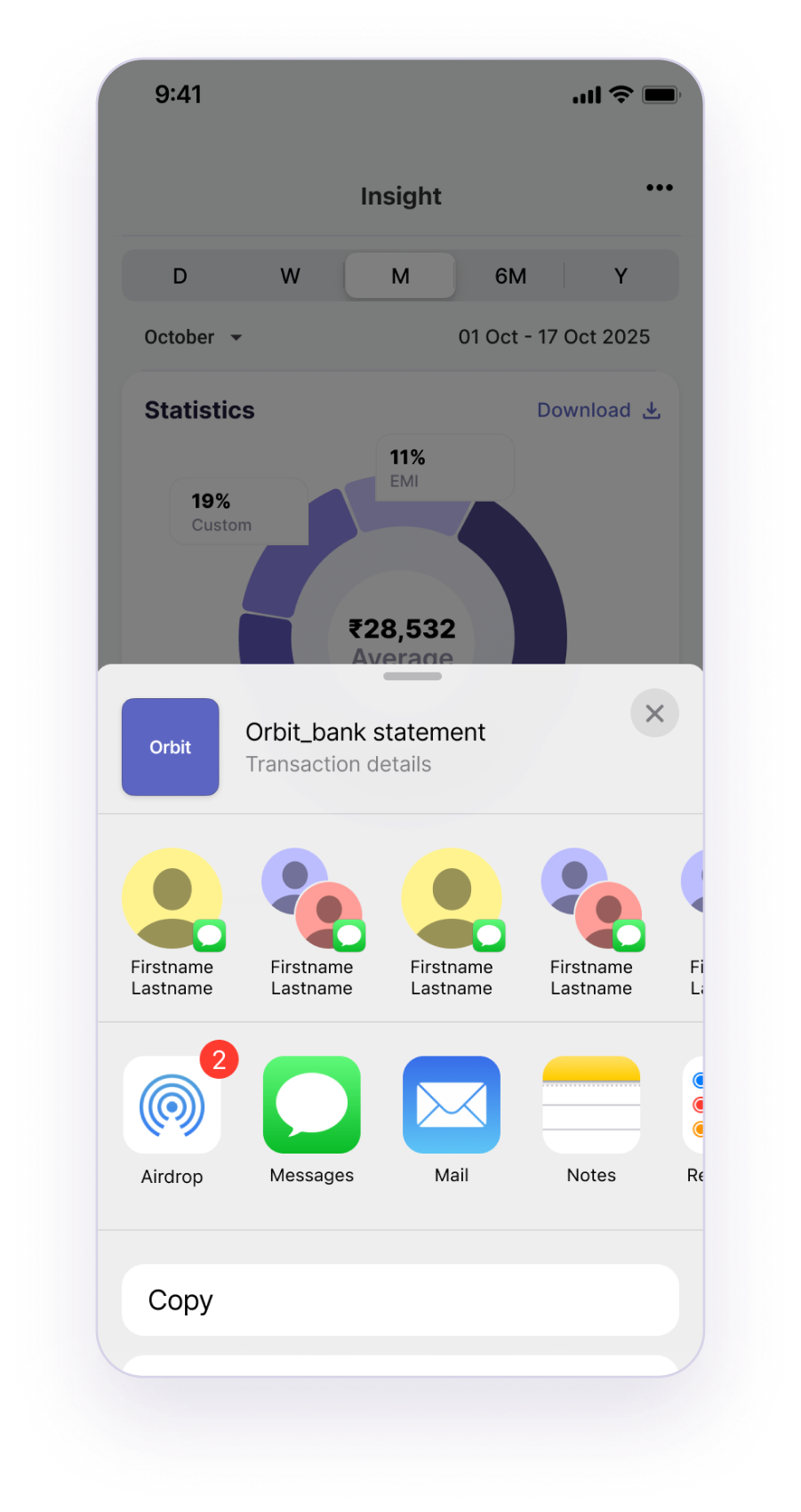
Share · Proof that leaves the app
60+ screens in light and dark. Shown here: the payment path, then home, schedule, insights and a shareable receipt.
06 / 06
OUTCOME
What I’d do differently
The project delivered a researched problem, three personas, a full architecture, 60+ screens and a working prototype of the payment flow. Three things I would change next time.
TEST TRUST EARLIER
— The wallet-versus-bank call was settled with research. It deserved a prototype in week two.
FAILURE STATES FIRST
— I designed the happy path first, then what happens when bill three of seven declines.
FEWER PERSONAS
— Two personas with real bill lists would have given sharper constraints than three.
TrackIt treats the month as one object you can see, authorise and close.
THAT WAS THE SHORT VERSION
The full case study has the field research, personas, user flows and every iteration behind each decision.
View full case study on Behance

Next project
SIAMA
03
Making craft education more contextual and connected